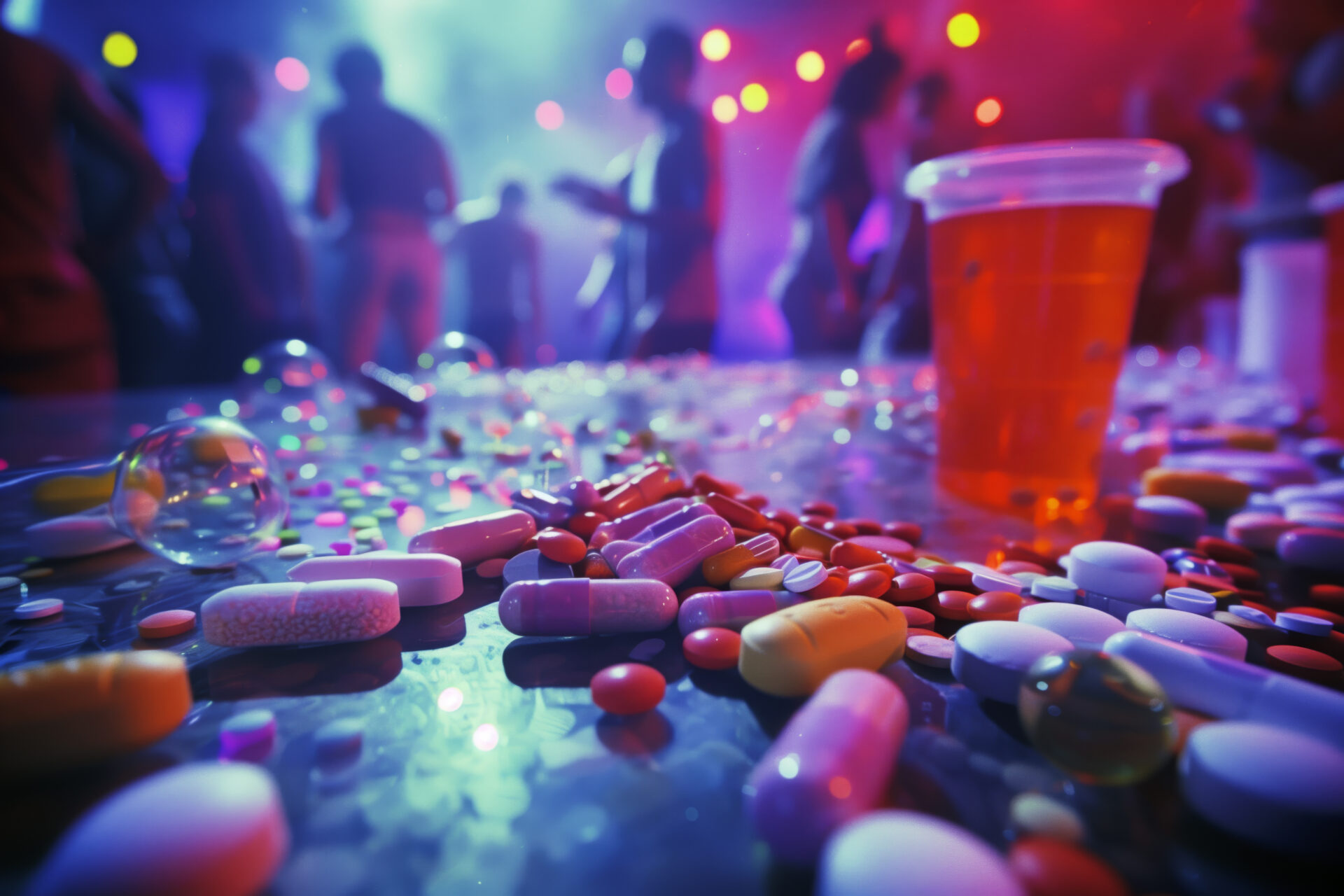
The NSW Government has announced $4.3 million in funding to continue drug checking services at selected NSW music festivals from October this year, following a 12-month trial and independent evaluation.
The independent evaluation, led by the University of Sydney, found the drug checking trial was effective in reducing risks and harms associated with illicit drug use for festival attendees.
The trial, which was free and anonymous, allowed festival goers to bring a small sample of substances they intend to consume to qualified health staff to test for purity, potency and adulterants.
Over the course of the trial, more than 1,800 individuals visited the services and around 1,500 drug samples were tested.
NSW Chief Health Officer, Dr Kerry Chant said drug checking at music festivals aims to educate individuals, allowing them to avoid dangerous substances, make safer and more informed choices and potentially avoid serious health risks.
“Our priority is to reduce harm and keep people safe,” she said.
“NSW Health is committed to working closely with festival organisers and harm reduction organisers to ensure the safe and effective implementation of drug checking services.”
The evaluation found the drug checking service had a strong uptake among festival attendees and was associated with a reduction in urgent drug-related hospital presentations and ICU admissions compared with previous years of the same music festivals.
“Let me be clear, no level of illicit drug use is safe and drug checking services are not a silver bullet,” said Health Minister, Ryan Park.
“There will always be risks involved when consuming these substances, and this initiative does not endorse drug use.
“Drug checking at music festivals can reduce harms associated with drug use, and it ultimately saves lives.
“We’re delivering on our commitment to listen to those with lived experience, and this major investment reflects that.”
A majority of people who used the service reported they had not previously engaged with health or harm reduction services, providing an opportunity to engage with them before they used drugs to communicate the risks and reinforce messaging that there is no safe level of illicit drug use, said the Minister.
The independent evaluation also found the trial positively changed approaches to drug taking, particularly where substances differed from the service user’s expectations.
NSW Health will now consult with the music festival industry and harm reduction organisations to identify up to 15 music festivals per year to participate in the program.
Participating festivals will again be identified based on characteristics associated with a higher probability of drug harm, including type and size of the festival, and location.
“The best way to keep young people safe is to listen to them, the expert evidence and respond with practical measures that reduce harm,” said Minister for Youth, Rose Jackson.
“Pill testing is a critical pathway for young people to connect with trained health workers, receive trusted advice and better understand the risks they may be taking.
“We want young people to enjoy live music and festivals safely, and this program is helping to do just that. They responded really positively to the trial and will be pleased to see this become a permanent feature of musical festivals in NSW.”
Drug checking will be delivered by NSW Health, in partnership with NUAA (formerly the NSW and Users and AIDS Association) and the music festival industry.
The service enables music festival attendees to voluntarily submit a small sample of illicit drugs to be analysed on-site by chemists from the NSW Health Pathology Forensic & Analytical Science Service.
The results of this analysis are explained to service users by qualified and experienced peer workers from NUAA, who provide important harm reduction advice, allowing the service user to make an informed decision about their health.
Amnesty bins will be available within the Drug Checking space for service users to safely dispose of their drugs if they choose to do so.
The independent evaluation can be found on the NSW Health website here: https://www.health.nsw.gov.au/aod/resources/Pages/drug-checking-report.aspx.