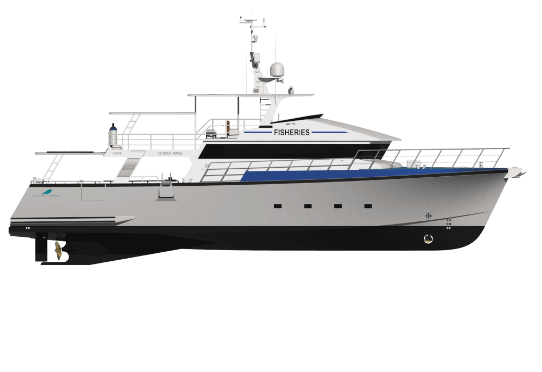
A new modern fisheries patrol vessel will be operational later this month to strengthen bird flu surveillance across WA’s remote northern coastline and help protect northern fisheries.
Patrol Vessel (PV) Equinox, built by Dongara Marine, will be based out of Broome and patrol northern waters across the Kimberley with a focus on commercial and recreational fisheries compliance and marine park management.
The vessel will also provide an important additional capability for monitoring remote islands, coastal areas and wildlife populations across northern WA.
Fisheries and Agriculture and Food Minister, Jackie Jarvis said PV Equinox will support the Government’s co-ordinated bird flu response by helping surveillance teams access remote locations, investigate reports and monitor areas that can be difficult to reach from land.
“We are continuing to strengthen our preparedness for bird flu, with early detection and enhanced surveillance critical to understanding and responding to this evolving threat,” said Minister Jarvis.
“PV Equinox will give our fisheries officers a modern, fit-for-purpose vessel to patrol some of the most remote waters in Western Australia.
“Built by local boat builder Dongara Marine, the new patrol vessel is another great example of the Cook Labor Government investing in local manufacturing to support jobs and growth across regional WA.
“This $13.7 million investment is about giving our frontline officers the equipment they need, while supporting local manufacturing and ensuring we are ready to respond to emerging threats across our northern waters.”
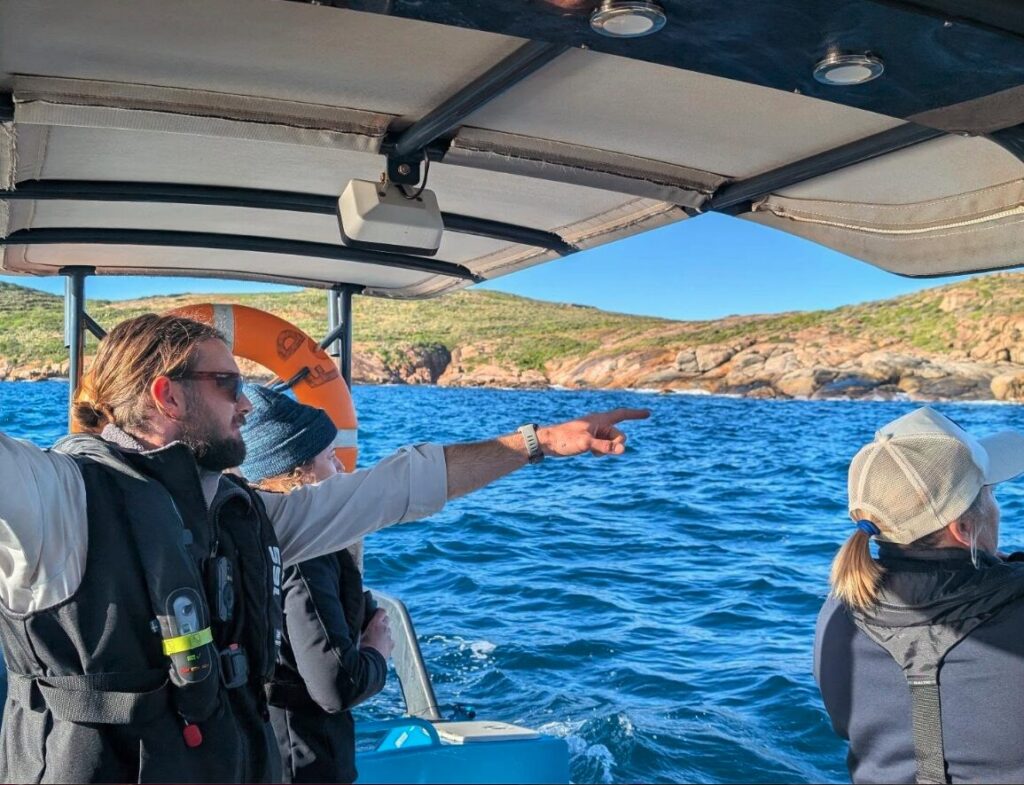
The vessel will assist with other core activities in collaboration with State and Commonwealth agencies, including marine safety, sea search and rescue, shark incident response, whale disentanglement and illegal foreign fishing interception.
The Government invested in the project to replace the Department of Primary Industries and Regional Development’s (DPIRD) ageing PV Walcott.
The new 24-metre patrol vessel has a longer fuel range to allow for extended voyages of up to 14 days, a more efficient hull design with twin keels to provide improved stability and reduced roll and low engine emissions.
Its extended range will be particularly valuable in northern WA, where surveillance teams may need to travel significant distances to monitor remote coastal and island wildlife populations.
“Western Australia’s north is home to internationally significant wildlife and some of our most remote and environmentally important coastal areas,” said WA Environment Minister, Matthew Swinbourn.
“We know bird flu can have devastating consequences for wildlife, so expanding our ability to detect and understand its spread will help us make informed decisions about how best to protect vulnerable native species.”
The vessel is equipped with the latest navigation equipment and infra-red night vision to support search and rescue and night-time patrols and has a 5.5m tender to conduct inspections and boardings at sea.
There are also improved living conditions onboard with accommodation for 10 people.