The WA Government has expanded restrictions on non-compostable plastic barrier bags to include nuts and confectionery as part of its commitment to a cleaner, more sustainable state.
The new design standards are now in place, ensuring that all compostable barrier bags can be reused as caddy liners in Food Organics and Garden Organics (FOGO) systems.
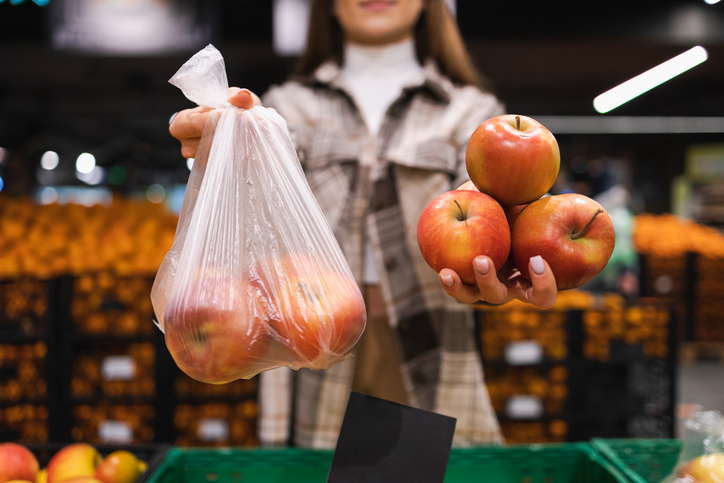
Barrier bags, also known as produce bags, are used in grocery stores for fruit, vegetables and other loose items. Before restrictions were introduced, Western Australians used around 115 million of these plastic bags each year – most ended up in landfill or as litter, posing a threat to wildlife and contaminating recycling and FOGO streams.
The State Government banned non-compostable plastic barrier bags for fruit and vegetables in October last year, and the inclusion of nuts, confectionery and introduction of design standards represents the next phase of WA’s Plan for Plastics.
From 1 October 2026, restrictions will be further extended to include plastic barrier bags used for loose meat, seafood and dairy products.
“Western Australians have shown strong support for reducing plastic waste and this next phase of the barrier bags ban is another important step forward,” said Environment Minister, Matthew Swinbourn.
“Compostable barrier bags that meet a clear design standard help households and businesses reduce waste going to landfill.
“The community has successfully moved to reusable shopping bags and I’m encouraging everyone to continue embracing reusable alternatives wherever possible.
“I thank the retailers and suppliers who have embraced the change and are helping our State lead the way in sustainable packaging.”
The ban applies to all WA businesses, manufacturers, retailers and distributors supplying barrier bags for loose or unpackaged goods.
Some exemptions will apply for reusable barrier bags, plastic bread bags, prepackaged produce, on-shelf packaged bags and ziplock bags for dry goods.
Retailers and customers are encouraged to switch to sustainable alternatives such as reusable containers, paper bags, boxes or compostable bags.
To support the transition, the Department of Water and Environmental Regulation has published a detailed design standard fact sheet and continues to work with industry stakeholders.
To learn more about WA’s Plan for Plastics, visit: www.wa.gov.au/organisation/department-of-water-and-environmental-regulation/western-australias-plan-plastics.