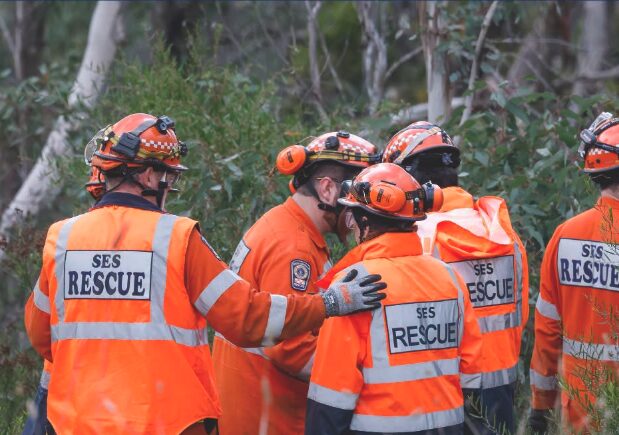
South Australian State Emergency Service (SES) volunteers responded to a total of 2,781 requests for assistance across the state from 1 June to 28 August – compared to 2,113 requests for assistance for the same period in 2025.
Winter 2026 requests for assistance for the SES included:
- 1,006 responses to trees down in the community;
- 523 responses to requests about severe weather impacts;
- 707 responses to flooding salvage requests;
- Assistance with 59 road crash rescues.
The figures follow the Bureau of Meteorology recording 2026 as the wettest winter for the state since 2016, and the wettest winter for Adelaide city since 1996, with a total of 294.4mm of rainfall causing dam impacts, flash flooding and an increase in dangerous road conditions.
One of the busiest Units was Sturt SES, who responded to a grand total of 268 requests for assistance from their local community. This was closely followed by Tea Tree Gully SES, who completed 240 requests for assistance over the winter months.
Although forecasts will dry up as spring approaches, spring is historically the busiest time of the year for the SES, with the lingering wet, winter conditions meaning catchments are sensitive to any further rainfall over the next few weeks. Spring can often also bring more frequent and intense thunderstorm activity across southern SA, as well as the risk of early-season heatwaves towards the end of the season, with higher-than-average temperatures predicted.
SA SES Chief Officer, Chris Beattie said he was incredibly proud of the commitment and dedication demonstrated by SES volunteers over winter.
“Our volunteers have put themselves in the centre of this very wet winter, battling the elements in all hours, and often after long days of work themselves, to assist their communities across the state,” said Mr Beattie.
“Although winter is drawing to a close, we urge the public to help our volunteers by ensuring they are prepared for spring weather.
“This includes clearing your gutters, downpipes and drains of any leaves and debris, trimming trees or branches on your property that may have been weakened by the wet weather, and during periods of dry weather, check your roof for any damages, leaks or loose tiles that may be impacted in storms.”
The SES also provides a heatwave fact sheet, for what you can do to keep yourself and others around you safe during high temperatures, which can begin at the end of spring.
For more information on how to best prepare for spring, visit the SES website and complete your weather preparedness checklist.