The Queensland Government has unveiled a five-year roadmap to drive growth, innovation, prosperity, and resilience across the state’s agriculture, fisheries, and forestry sectors with the release of the next phase of its Primary Industries Prosper 2050 blueprint.
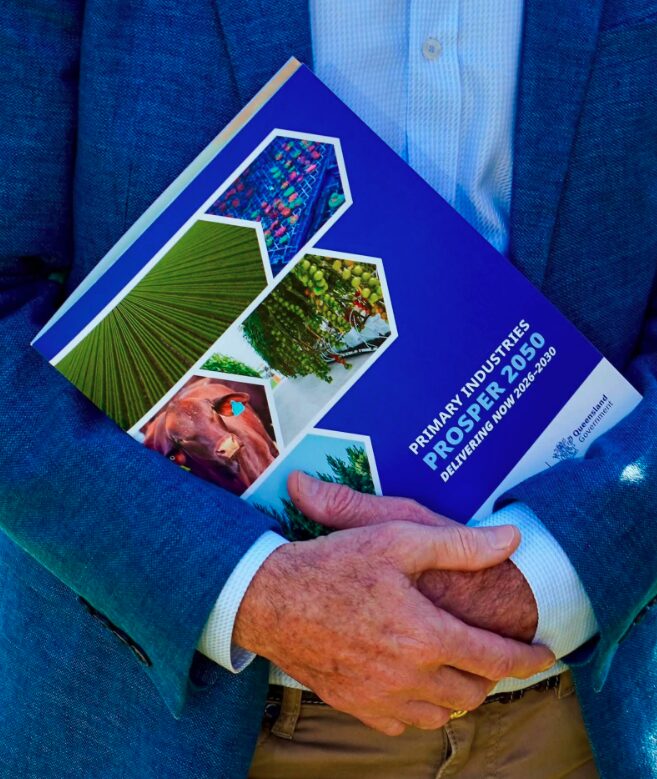
Prosper 2050: Delivering Now 2026-2030 outlines the Government’s plan to collaborate with industry over the next five years to deliver Queensland’s 25-year blueprint to drive a better future for primary industries.
The plan was designed in partnership with industry and regional Queenslanders through the largest sector-wide consultation undertaken in at least a decade, with more than 4300 stakeholders involved in identifying more than 230 actions across regions, sectors, and the State to transform and grow primary industries.
That work has now translated into a clear set of whole-of-government actions that various departments across government will deliver under a shared vision.
“Primary industries do not operate in a vacuum, so to solve challenges, make the most of opportunities and deliver on our vision, coordination and effort must come from the whole of government and industry working together,” said Minister for Primary Industries, Tony Perrett.
“Delivering Now 2026-2030 is a roadmap to improve profitability and remove impediments as well as a document that will hold this government and industry account.
“I have said time and time again that Queensland’s primary producers deserve a government that backs them with a plan, not just words.”
Treasurer, David Janetzki said the 2026-27 Queensland Budget had invested $20 million over four years to deliver Prosper 2050 and boost agriculture, fisheries and forestry output to grow the state’s economy.
“Together, government and industry are focusing on key initiatives to ensure Queensland’s primary industries remain globally competitive and sustainable while supporting local communities,” Treasurer Janetzki said.
“We are also creating the conditions to support business confidence and investment, while investing in infrastructure to drive regional growth and efficient supply chains.”
For more information on Prosper 2050: Delivering Now 2026-2030, visit the website.