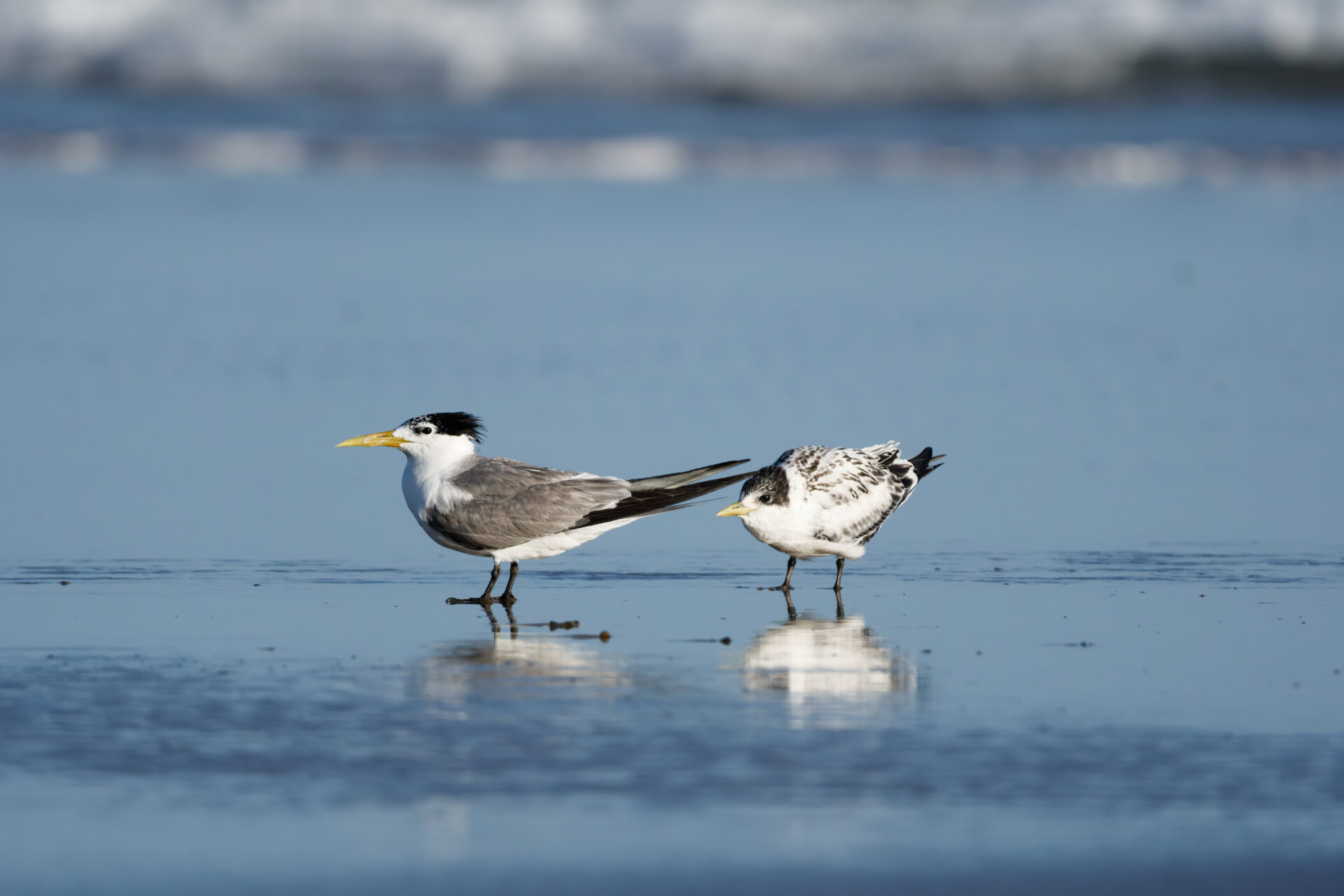
As families head to beaches, national parks and popular coastal destinations, the NSW Department of Primary Industries and Regional Development is urging people to be aware of H5 avian influenza and know what to do if they come across sick or dead wildlife.
Visitors to coastal areas may encounter affected animals and are reminded not to touch or handle wildlife and to follow the Department’s ‘Avoid. Record. Report.’ advice.
DPIRD Chief Veterinary Officer, Dr Jo Coombe encouraged those enjoying a coastal holiday to take simple steps to stay safe.
“It’s important to keep children and pets away from sick or dead birds and other wildlife, and to follow advice provided by the Emergency Animal Disease Hotline,” Dr Coombe said.
“The risk to humans remains low, but H5 bird flu is having a significant impact on wild bird populations. Community vigilance is one of the most important tools we have for detecting new cases and limiting the spread of disease.
“School holidays are an opportunity to spend time with family and enjoy everything our coastal regions have to offer. We simply ask people to be mindful that they could encounter sick or dead wildlife and to follow the Avoid. Record. Report. advice. By staying alert and keeping a safe distance, you’ll be helping protect wildlife and your own holiday plans.”
DPIRD is reminding pet owners to take extra steps to boost their safety by:
- keepings dogs on a leash in wildlife areas;
- keeping cats indoors or in secure enclosures;
- reducing contact between pets and wildlife;
- washing your hands with soap and water before and after handling birds or other animals.
If you see sick or dead wild birds, domestic birds, marine mammals or other wildlife showing signs of H5 bird flu – AVOID contact, RECORD what you see, REPORT it via the online reporting form or Emergency Animal Disease Hotline – 1800 675 888. If a carcass needs to be disposed of for safety reasons, only do so after receiving advice and follow the approved bird carcass disposal guidance. Prompt disposal of dead birds, where advised, helps reduce risks to people and pets.
For more information about H5 bird flu visit the NSW Government’s dedicated webpage: Bird Flu (H5 avian influenza).