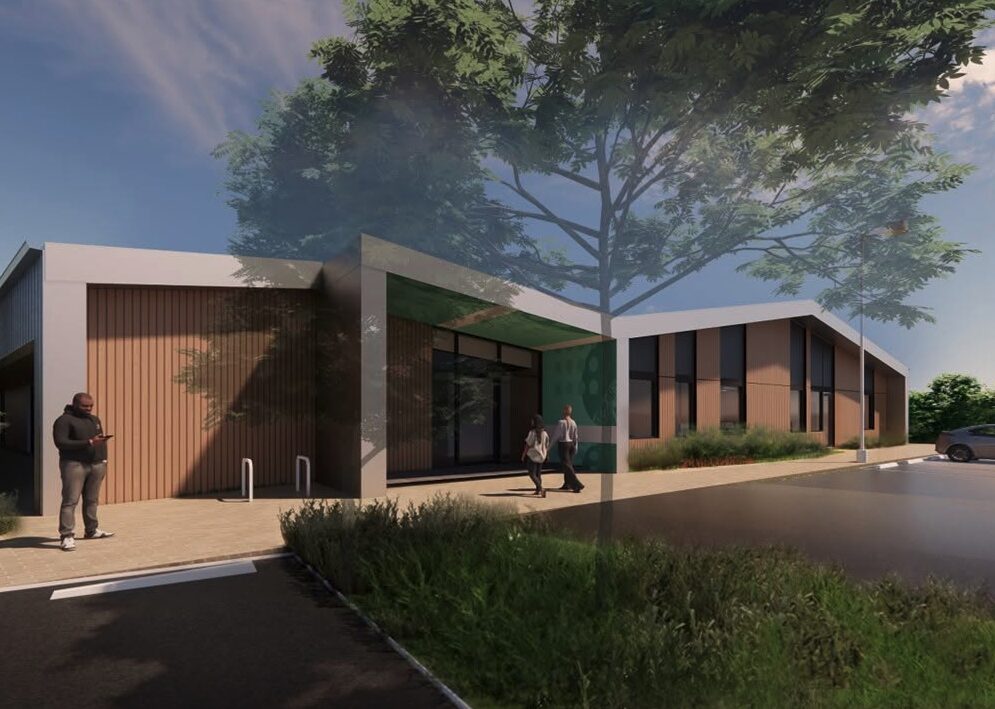
Construction of the ACT’s new Watson Health Precinct has been completed, with health services for vulnerable Canberrans due to open next month.
The $49 million precinct delivers modern facilities for two existing services run by the Ted Noffs Foundation and Marymead CatholicCare, and enables the establishment of a new service run by Winnunga Nimmityjah.
“The new Watson Health Precinct is all about making sure Canberrans have the care and support they need to recover and thrive,” said Minister for Health Infrastructure, Rachel Stephen-Smith MLA.
“With these new purpose-built facilities, not only will they be able to continue doing this critical work, but now our city has its first dedicated residential facility for alcohol and other drug rehabilitation for Aboriginal and Torres Strait Islander people.
“With room for each service to grow into the future, this investment will deliver for generations of Canberrans.”
The Ted Noffs Foundation will return to the Watson site to deliver youth alcohol and other drug rehabilitation services, while Marymead CatholicCare will provide residential care for young Canberrans experiencing mental health challenges through its long-running STEPS program.
Marymead CatholicCare Canberra & Goulburn acting CEO, Lisa Higginson said the organisation looked forward to STEPS returning to a redeveloped Watson Health Precinct that offers a safe, supportive and therapeutic environment where young people can feel connected, empowered and confident in their recovery journey.
“MCCG recognises that when young people get the right support at the right time, the benefits reach far beyond the individual, strengthening families and communities,” said Ms Higginson.
“This investment will help more young people access care earlier, leading to better outcomes and brighter futures.”
Ted Noffs Foundation CEO, Matt Noffs thanked the Government for the purpose-built facility which will allow the Foundation to expand its Palm Youth Rehabilitation Program in Canberra.
“The new 15-bed facility will support young people aged 12 to 18 through treatment, with a further six beds for young people who can’t access mainstream accommodation because of their substance use history,” said Mr Noffs.
“The ACT Government continues to lead the way on drug and alcohol treatment and law reform in Australia.”
These new facilities replace ageing buildings with fit-for-purpose spaces designed to provide a welcoming, secure and inclusive environment for recovery and wellbeing.
“These services provide tailored mental health and alcohol and other drug support, helping people stay connected to their families, education, work and community,” said Minister for Health, Marisa Paterson MLA.
“We know that when people can access the support they need early, it can be life-changing, not only for them but also for the families and communities around them.”
The precinct also includes a new 24-bed residential alcohol and other drug rehabilitation facility for Aboriginal and Torres Strait Islander people, operated by Winnunga Nimmityjah Aboriginal Health and Community Services.
The new facility addresses an important service gap in the ACT, expanding access to residential rehabilitation services in a culturally safe and supportive environment.
Winnunga Nimmityjah led the delivery of the new facility, ensuring Aboriginal and Torres Strait Islander knowledge and experience were central to its design.
“Being able to access a service like this, one that is both culturally safe and centrally located, is fundamental to the recovery and healing of our men,” said Ms Tong.
“In the past, ACT First Nations men had to go interstate to access culturally safe rehabilitation services. We now have a 24-bed purpose-built facility in Watson that will provide much-needed culturally safe rehabilitation for First Nations men who will receive wraparound services. Services that maintain connection to Country in a culturally safe environment that we know works, while remaining local and close to family and support networks.
“With culture at the forefront, the facility has been thoughtfully designed to ensure participants feel safe from the moment they step on site during challenging times in their lives. We acknowledge the Deputy Chief Minister and Minister for Health Infrastructure, Rachel Stephen-Smith and the ACT Government’s trust in Winnunga to allow us to take the lead by managing the funding for the build from the ground up. This is Aboriginal self-determination in practice.
“This is a much-needed service for First Nations men, many of whom are living with the consequences of intergenerational trauma and systemic disadvantage. Enabling the Aboriginal Community Controlled sector to build and provide services like this will have a profoundly positive impact and improve outcomes for all, because with this approach we will be setting people up to succeed by giving them the best possible chance, instead of setting them up to fail.”
Minister Paterson said Connection to Country was a key consideration when choosing the site, with the facility located in a tranquil bushland setting at the base of Mount Majura.
“Supporting Winnunga’s self-determined service model empowers Aboriginal and Torres Strait Islander people to access care shaped by their community, for their community, in a culturally safe and inclusive environment,” she said.