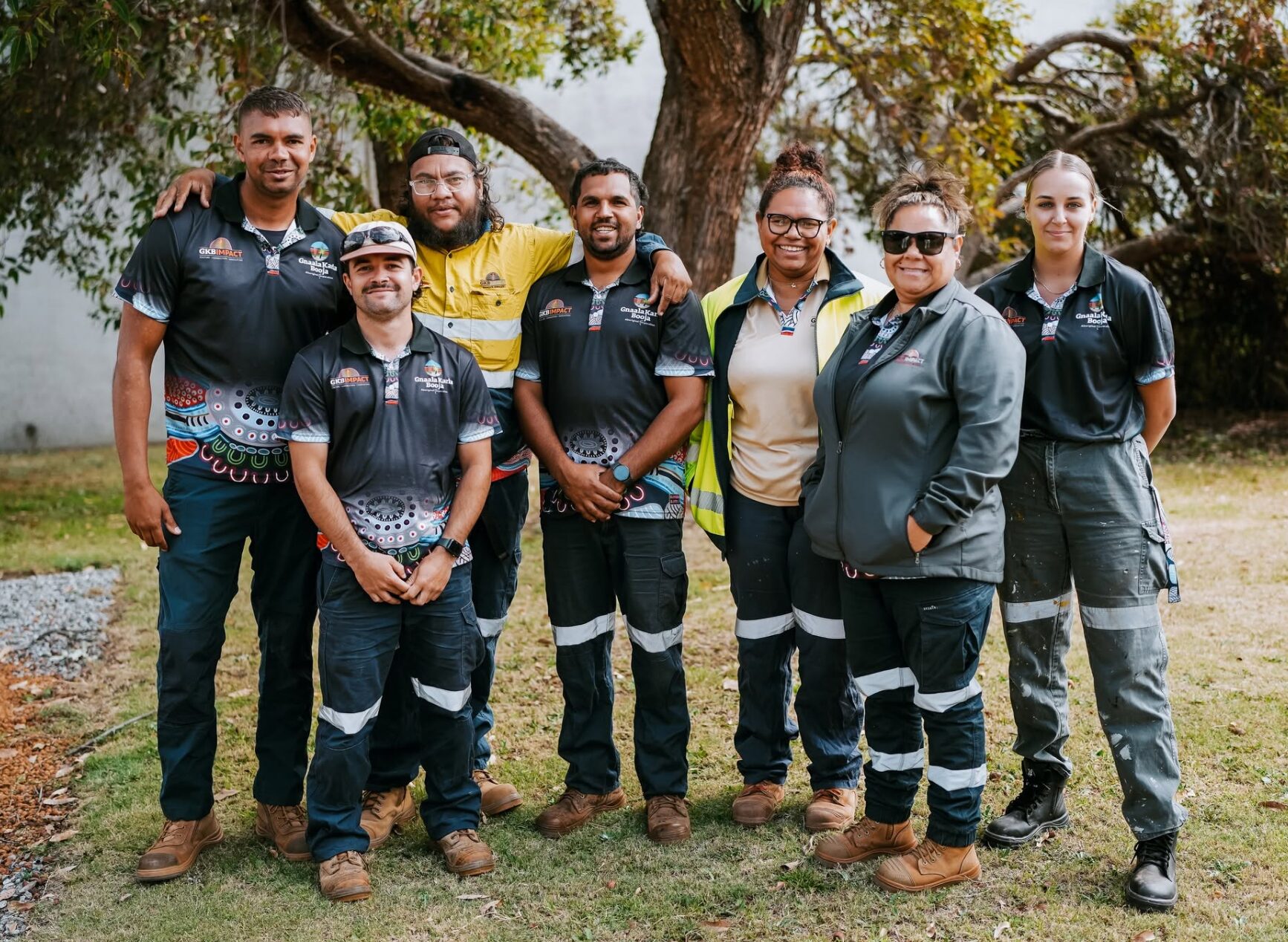
The WA Government has marked a significant milestone in the delivery of the South West Native Title Settlement, with Gnaala Karla Booja Aboriginal Corporation (GKBAC) granted a lease for its first parcel of land through the Noongar Land Estate.
The lease of Waterloo Reserve, Keipa Boodja, gives GKBAC its first land interest through the Noongar Land Estate and marks an important step in delivering practical outcomes for Noongar people.
“Today marks an important milestone for Gnaala Karla Booja Aboriginal Corporation, with its first land interest through the Noongar Land Estate,” said Aboriginal Affairs Minister, Don Punch.
“The South West Native Title Settlement is about creating opportunities for Noongar people to lead the care, management and stewardship of Country, and this lease is a strong example of that commitment in action.”
Located in the Shire of Dardanup, Waterloo Reserve was transferred to the Noongar Boodja Trust as part of the Noongar Land Estate established under the Settlement.
A cornerstone of the Settlement, the Noongar Land Estate creates opportunities for Noongar people to own, manage and care for land while supporting long-term cultural, social and economic outcomes.
Previously part of the Aboriginal Land Trust Estate and used for Noongar housing from the late 1960s, Waterloo Reserve will now be managed by GKBAC in partnership with Keipa Boodja Aboriginal Corporation.
As GKBAC’s first land interest through the Noongar Land Estate, the lease marks an important new chapter for the organisation and the local Noongar community, said Minister Punch.
“The Cook Labor Government is committed to Aboriginal self-determination, and supporting Aboriginal people to make decisions about the land, culture and communities that are important to them,” he said.
“Aboriginal leadership, economic participation, and community development are vital to the long-term prosperity of Western Australia.
“The lease of Waterloo Reserve will strengthen cultural connections, support community aspirations and help ensure Country, culture and knowledge continue to be nurtured and passed on to future generations.”