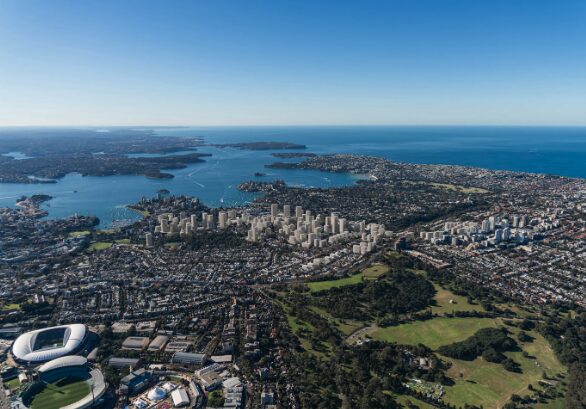
The NSW Government has released a detailed draft rezoning plan to help deliver up to 9,400 new homes around Sydney’s landmark heavy rail station at Woollahra in Sydney’s eastern suburbs.
On public exhibition from today, the draft proposal sets a vision for how the 168-hectares of prime land in Sydney’s east will evolve over the next 20 years to support more homes, jobs and open space, and make the most of nearby transport, infrastructure and services.
The NSW Productivity Commission found that Woollahra is the most feasible Local Government Area in NSW to build new housing and despite this, housing approvals in Woollahra consistently lag well behind other LGAs.
The proposal will concentrate new development around the existing Edgecliff station and the new station at Woollahra, with up to 40% of new dwellings to be located within 200 metres of a train station.
“For the last decade, we’ve asked a small number of communities to carry the lion’s share of Sydney’s housing growth while other parts of the city have barely changed,” said Premier, Chris Minns.
“We can’t keep pushing all of Sydney’s growth to the west and the urban fringe while established suburbs close to jobs, transport and services are locked away from new housing.
“We’re not asking Woollahra to solve the housing crisis on its own. We’re asking Woollahra to make a fair contribution, just as we’re asking communities right across Sydney to do.”
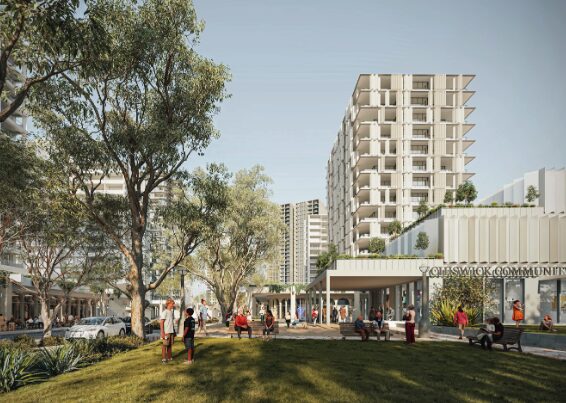
Once operational in 2029, the new Woollahra station will connect people on the T4 Eastern Suburbs Line to the Sydney CBD in just eight minutes.
“We’re building homes close to transport right across Sydney, with this rezoning and the construction of the train station, Woollahra is now becoming part of the transport orientated housing solution,” said Transport Minister, John Graham.
“The future residents of these homes will be eight minutes from the CBD on train line that was built decades ago.
“As we get to work on the rezoning, we’re also working on the design of the new Woollahra train station which we expect to start building next year.”
Key features of the proposal include:
- Varied buildings heights of up to 34 storeys around Edgecliff Station and 32 storeys around Woollahra Station;
- Plans for 7 new parks and up to 9 kilometres of new walking and cycling connections;
- A requirement for diversity of new homes – including studio, one, two and three-bedroom apartments;
- 3 percent affordable housing contribution, with up to 15 percent applied to certain sites in perpetuity;
- An expanded mixed-use Edgecliff Centre and a new Woollahra local centre, delivering around 1,000 new local jobs, services and amenities.
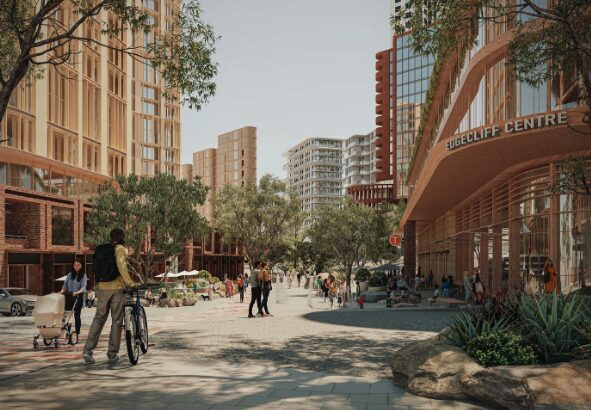
The Government says the proposal strikes the right balance of greater density without sacrificing liveability, with approximately 3.5 hectares of new and upgraded open space planned across 13 parks, a new Edgecliff plaza, and a commitment to make sure there is no net loss of overall tree canopy within the precinct.
It says 95% of the proposed new homes will be located within 400 metres of open space of 3,000 square metres or larger.
The proposal also recognises the importance of protecting the area’s heritage, with heritage items retained and carefully integrated into the design of the surrounding area.
As part of the proposal, value capture will be used to ensure windfall gains from the rezoning help pay for the cost of delivering the new station. Development within 800 metres of Woollahra Station will be subject to a Transport Project Component contribution of $15,000 per dwelling or $200 per square metres of new commercial gross floor area.
“The proposal is consistent with the aims of the recently released Sydney Plan and Sydney’s long-term growth which supports increasing housing supply in the east, close to jobs, transport, services and green space, while accelerating jobs growth in the west,” said Minister for Planning and Public Spaces, Paul Scully.
“This is another example of the Minns Labor Government matching a transport infrastructure investment with housing growth in a community young people, families and key workers want to live in.”
The proposal is on public exhibition from 8 September to 5pm 7 October 2026. Members of the community can submit their feedback via the NSW Planning Portal. For more information and to register, visit NSW Planning.